
Shepherd's Heart Counseling
How We Work

Behavioral parent training: calm rules that hold.

Behavioral parent training is a practical approach that focuses on what the adults do: the rules, the follow-through, and the way you respond in the hardest moments. John considers it effective, and it's one of the main tools in parent work at Shepherd's Heart. This guide explains where his version comes from, the principles it rests on, and what it looks like in a real household.

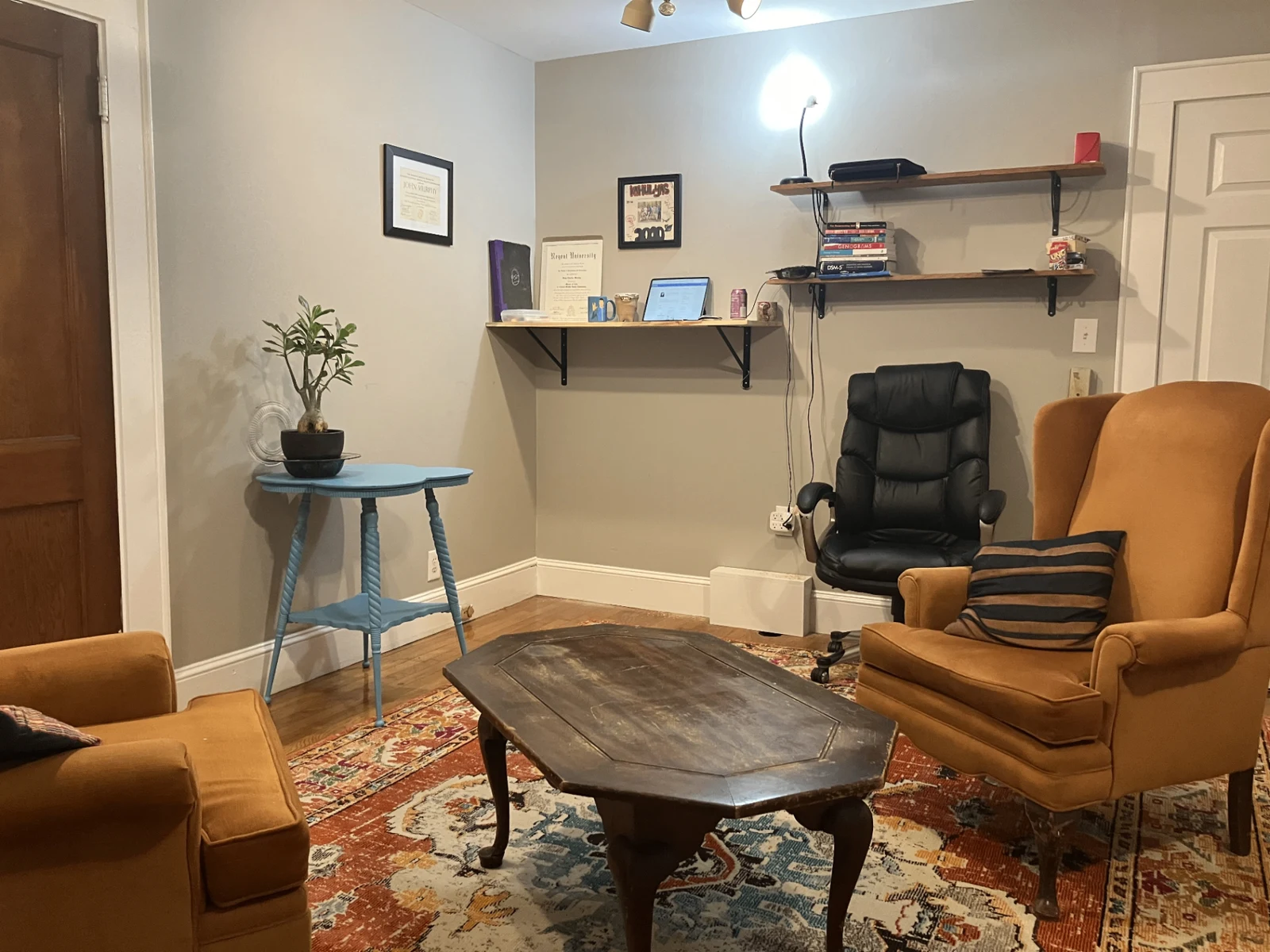
The Siler City counseling office, with two mustard-yellow armchairs around a wooden coffee table.

Where this approach comes from.

John draws on the models of care he was trained to use in intense environments like day treatment, wilderness programs, and juvenile justice. In settings like those, structure isn't optional and adults can't afford to take the bait. What carries over to a family home is the core idea: children settle when the adults around them are calm, consistent, and predictable. You can read more about his background on the about page.


Detach from the anger.

When a child is angry, the natural move is to match it or defend yourself. Behavioral parent training asks you to do neither. You stay steady, you don't argue the point in the heat of the moment, and you don't take the outburst as a verdict on your parenting. Pushback and big feelings are a normal part of how children develop, and hard days aren't personal, even when they feel that way.

That doesn't mean ignoring disrespect. It means responding to it from a calm place instead of a wounded one.

Rules are rules.

A rule doesn't depend on whether your child respects it today. Firm rules, calmly enforced, are what earn respect over time, more than authority laid down with volume. That can be a shift for parents raised on 'because I said so.' The goal isn't to be scarier. It's to be the adult whose follow-through is so predictable that arguing stops being worth it, a theme the defiant behavior page explores too.

Both adults on the same page.

Consistency between adults matters as much as consistency over time. This approach means collaborating on the norms and routines at home and setting expectations for conduct outside the home, so a child gets the same answer from both parents. When adults are aligned, kids have fewer chances to play one against the other. The guide asking is my child manipulating me explains why splitting happens in the first place.

What actually reinforces behavior.

Behavior that keeps happening is being reinforced by something, usually by accident: attention that only comes during blowups, a chore that quietly disappears once the argument gets loud enough, a parent who caves at the last minute. Part of the work is walking through your actual week to find those loops.

Another part is building a reward and privilege structure that makes cooperation worth it, and using fewer, smaller consequences you can actually hold. The thirty seconds after your child says no are where most of this gets decided.

How it's delivered.

Most of this work happens in parent coaching: 50-minute sessions with a short debrief, a working section on one or two behaviors, and specific homework with the exact language to use. When the target is one narrow behavior, behavioral coaching can be a shorter fit. For a child with ADHD, the same principles get adjusted to how their brain works, as the ADHD parent support page explains. The practice does not offer court-appointed parenting classes; this is one-on-one work built around your family.

If you're ready to look at the format of the help, see parent coaching or behavioral coaching. Not sure where to start? Request a free 15-minute consultation and we'll figure it out together.

FAQ

Common questions.

Isn't this just strict parenting?

No. Strictness often relies on volume and fear. Behavioral parent training relies on calm, predictable follow-through, a structure everyone understands, and an adult who doesn't take the bait. Warmth and firm rules work together here.

Does it apply to teens?

The principles apply at any age, but how they look changes. With teens, it usually means fewer rules that matter more, consistent follow-through, and a relationship built on credibility rather than control.

Do I need to bring my child?

Usually not. Most of the work is with the parents, because the adults set the structure. Occasionally a child or teen joins a session to align on a plan.

Is this the same as a court-ordered parenting class?

No. The practice does not offer court-appointed parenting classes. This is individual parent coaching with your family's situation at the center.

Related services

How this work usually gets done.

Next step

Ready to try something that works?

A free 15-minute consultation. Send a request and John will get back to you with times that actually work — no pressure, no forms up front.

Request a Free Consultation