
Our Services

Children's Counseling in Siler City, NC

Developmentally appropriate counseling for children roughly 10 to 12. Play, movement, and activity are the medium — not sitting-and-talking — and most of the actual change happens through structured parent work.

A child drawing with colored pencils at a low table in a calm, welcoming therapy room.

Why play and activity are the medium.

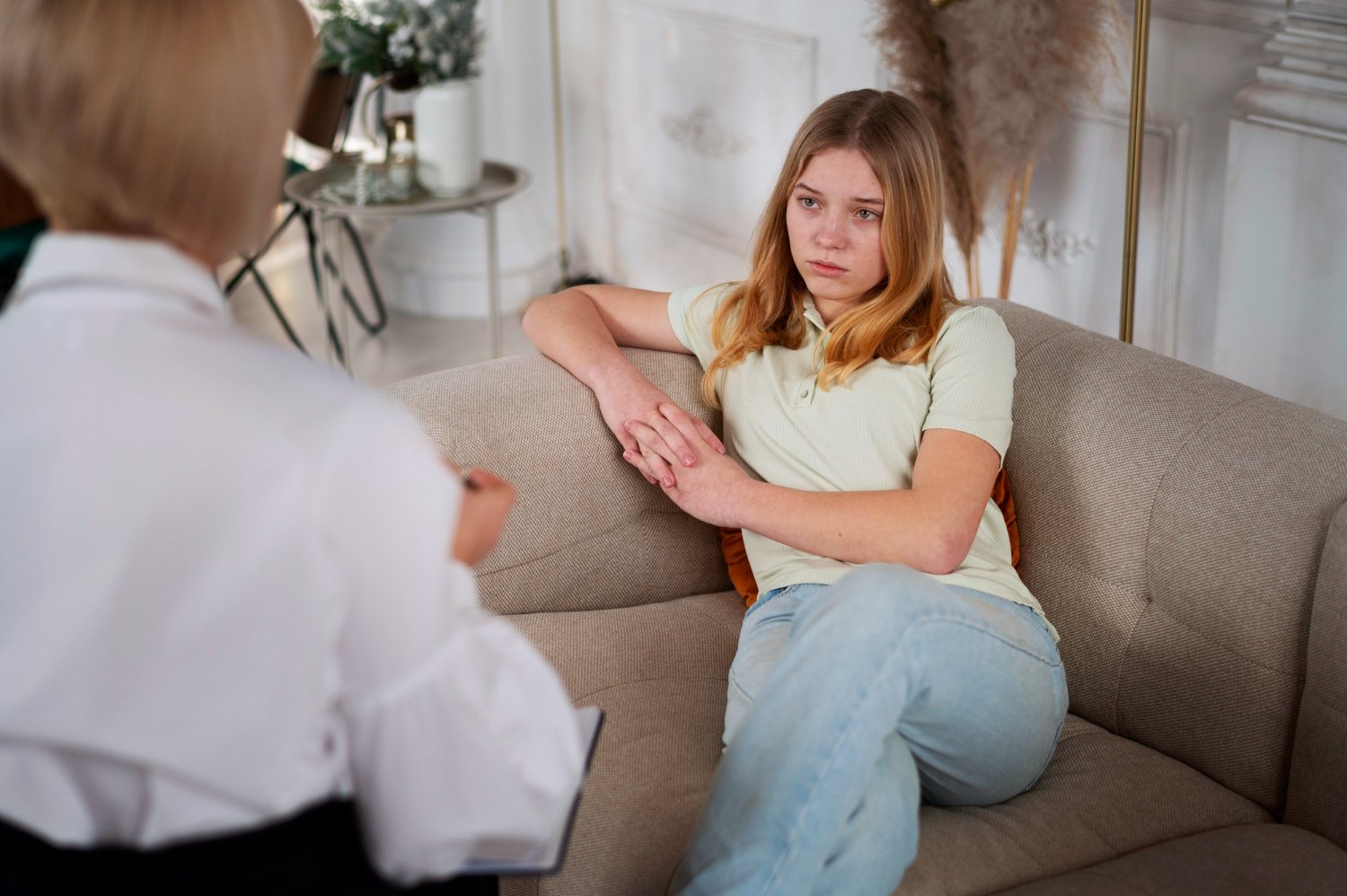
Children in this age range don't process the way adults do. Asking a 10-year-old to sit in a chair and describe her feelings for the length of a standard session will produce either a shrug or a performance of what she thinks the adult wants. Real material comes out sideways — through a game, a drawing, a story about a character who is very obviously her, a Lego build that keeps getting knocked down. Sessions are structured around that. There will be talking, but there will also be a floor, a table, and things to do with hands.

How much of this work is actually with the parent.

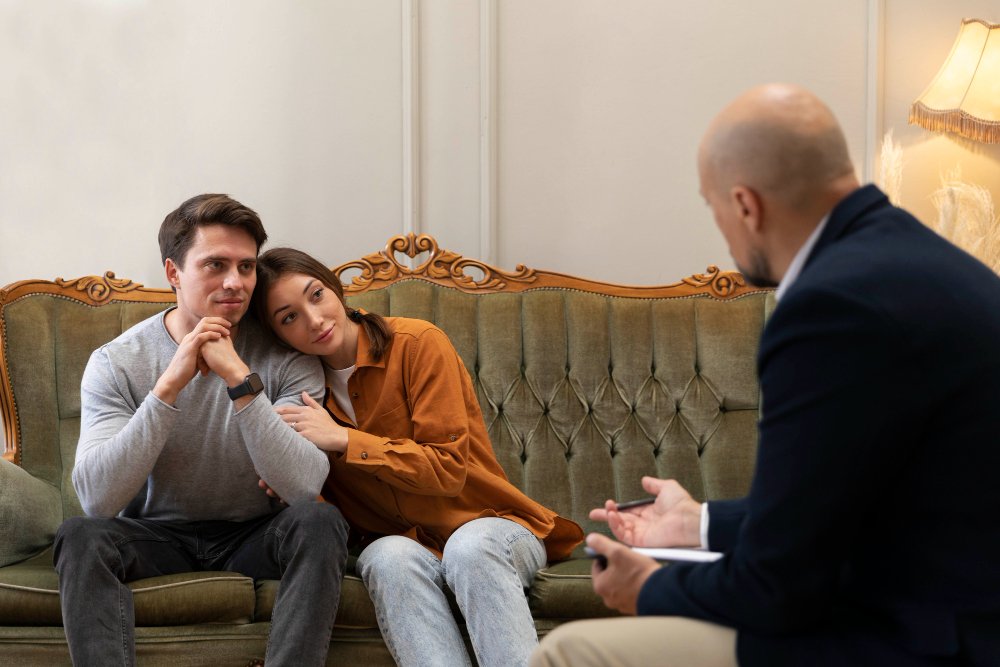
For clients at this age, a large share of the clinical work happens between the parent and clinician. Children don't change in isolation — households do. Standing arrangements often include a monthly (sometimes twice-monthly) parent session focused on what we're seeing, what's driving it, and what to do about it at home. If the child comes weekly and you never come in, we are missing the biggest lever we have.

Pacing and rhythm.

For some children, especially those with attention or regulation challenges, shorter focused sessions are more productive than a full standard session, and we'll structure that intentionally. Frequency is usually weekly for the first two to three months and then tapers as the child stabilizes. Progress often shows up at home before it shows up in session — a calmer bedtime, a fewer-tantrum week, a harder conversation your child brings to you rather than acts out — so we'll ask you what you're seeing at home each time.

What we actually work on.

Anxiety that shows up as stomach aches and school refusal. Emotional dysregulation that turns into daily meltdowns. Adjustments to a divorce, a move, a new sibling, or a death in the family. Difficulty with peers or with a specific teacher. Sleep. Attention and behavior problems that a pediatrician has flagged. We do not do formal psychological testing or medication management, and we're clear about when to refer out for those.

Ages we see and ages we don't.

We work with children roughly 10 and up. For younger children — under 10 — the appropriate clinical fit is usually a specialist in play therapy or early childhood mental health, and we'll help you find a good one. This isn't a judgment about your child; it's a scope-of-practice call. Younger children deserve a clinician who does that specific work day in and day out.

Practical details.

Sessions are in the Siler City office. For this age group we generally do not recommend telehealth — the medium is physical and works less well on a screen. Fees are $195 for intake (which includes a longer parent interview) and $155 per session. Shepherd's Heart is in-network with Aetna and BCBS-NC.

Many families combine this work with parent coaching or parent counseling. If you're not sure where to begin, reach out for a free consultation and we'll figure out the right starting point together.

FAQ

Common questions.

How young a child do you see?

Generally 10 and up. Younger children are better served by a play-therapy specialist, and we'll refer you to one if that's the fit.

Am I supposed to be in the sessions or not?

Both. Your child has individual sessions, and you have your own regular sessions — usually monthly at minimum — focused on the household and the plan. Neither piece works well without the other at this age.

How will I know if it's working?

Usually it shows up at home first — a smoother morning, a shorter tantrum, a hard thing your child tells you instead of acting out. We'll track that alongside anything you're seeing at school.

Can we do this on video?

For this age group, in-person is strongly preferred. Occasionally a check-in session between two in-person sessions can be done on video, but the standing work should happen in the room.

Next step

Ready to try something that works?

A free 15-minute consultation. Send a request and John will get back to you with times that actually work — no pressure, no forms up front.