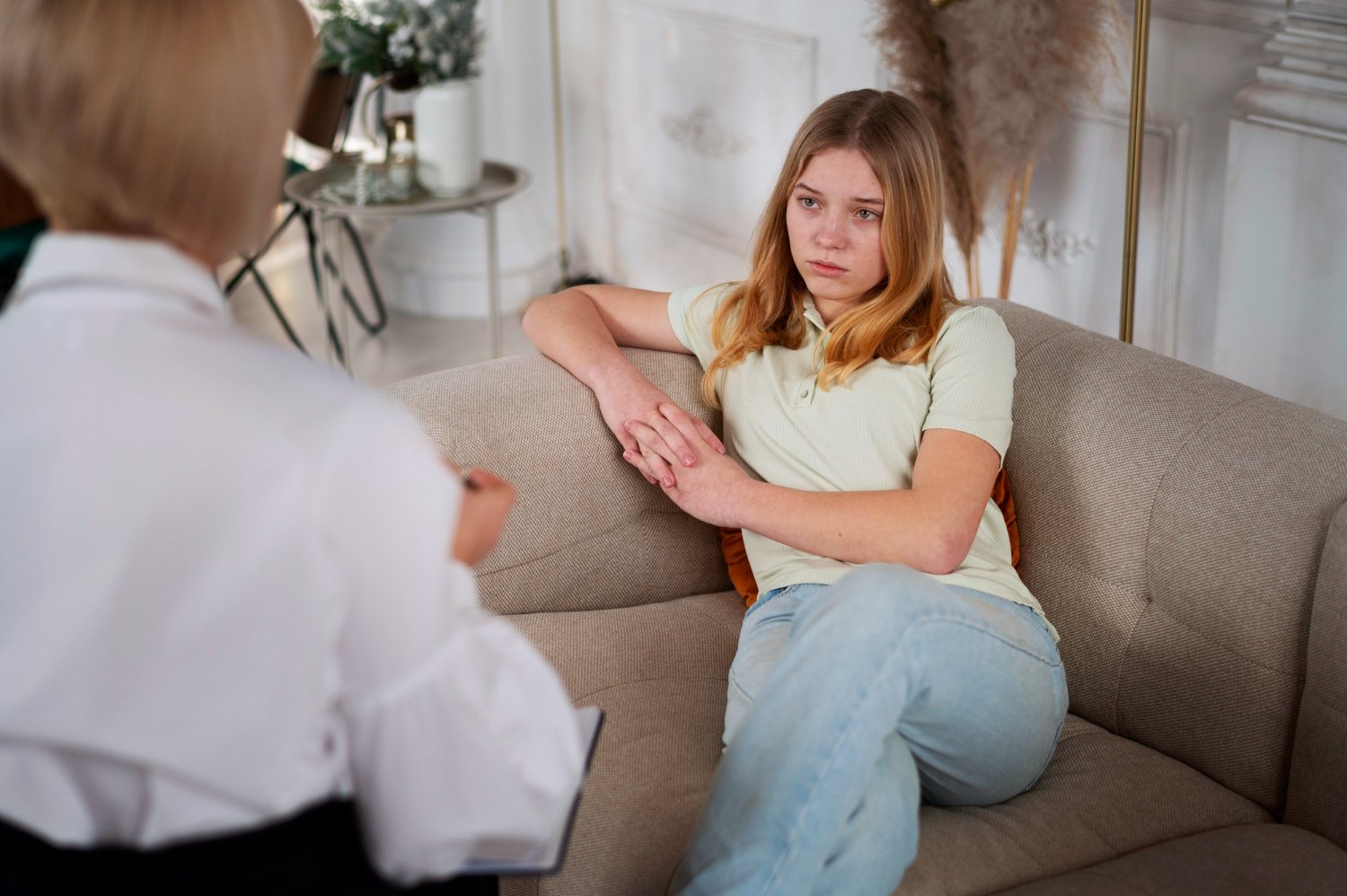

Family Conflict

When home stopped feeling safe to be in.

This page is not about one child's behaviour or one parent's stress. It's about a household where the whole system has tilted into conflict — where an ordinary Tuesday can turn into a screaming match by 6 p.m., where kids and adults are picking sides, and where you have started avoiding your own kitchen. If the pattern in your home is that everyone is either braced for the next fight or recovering from the last one, this page is about how that gets reset.

A textured warm wood surface catching soft, low afternoon light.

When conflict becomes the default setting.

Every household has arguments. What we're talking about here is different. It's when the baseline emotional temperature of the home has moved up, and small requests become fights because the room was already primed. You can hear it in how people walk into a room, how quickly voices rise, how long the silences last after a blowup. Once a family has been in that state for months, the pattern starts running on its own. People stop responding to what's actually happening and start responding to what they expect will happen. The kid braces before you've even asked. The partner sighs before you've finished the sentence. You clip a reply before they've fully spoken. Nobody is being unreasonable in the moment — everybody is being reasonable given the last six months. The work is unwinding that.

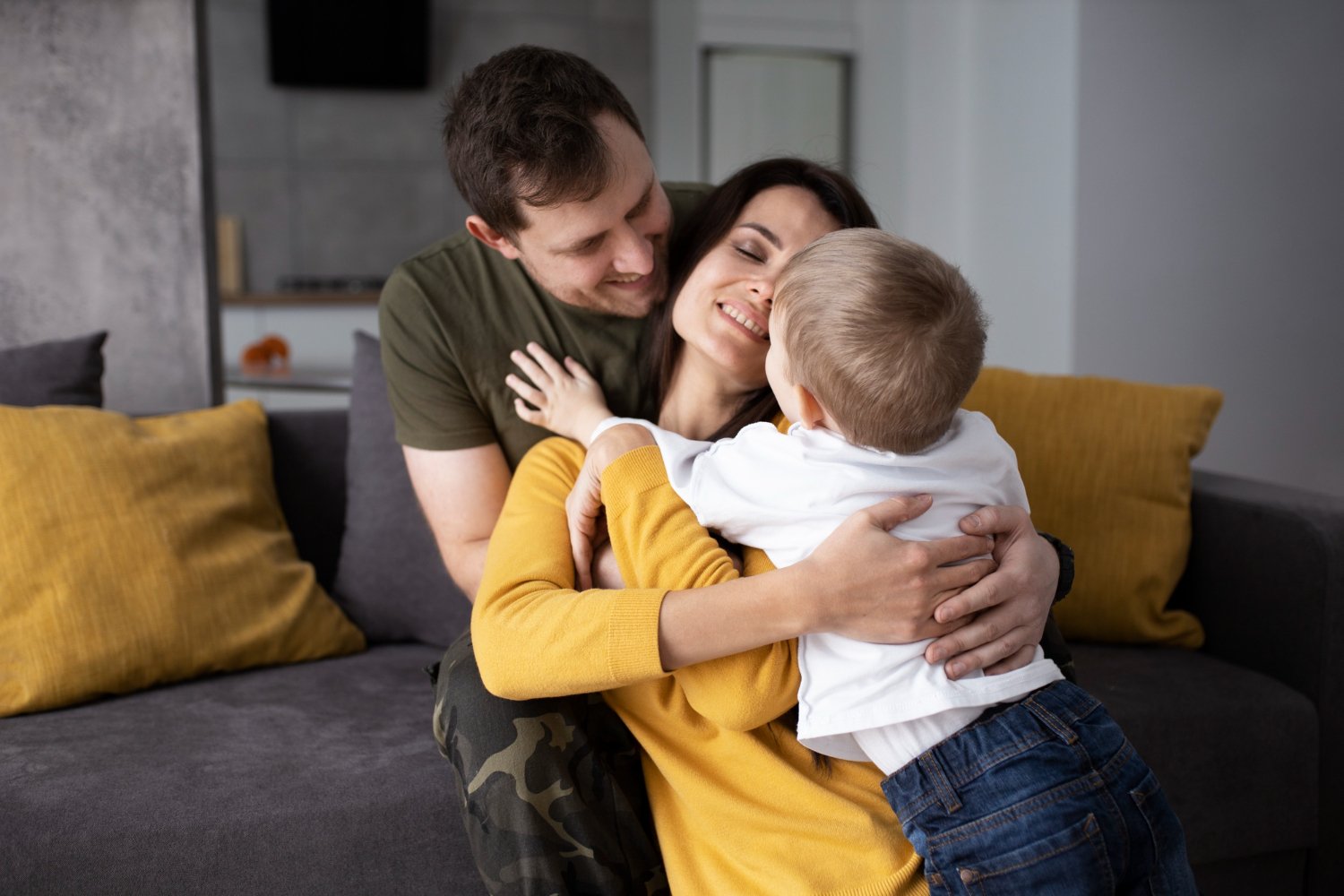
Alliances and triangles.

In a family under stress, alliances form. One parent and one child against the other parent. Siblings organised into 'the good one' and 'the difficult one.' The teenager who is closer to one adult and cut off from the other. These aren't villains — they're the shapes families take when there isn't enough safety to be direct. Triangles are a specific version: two people avoiding a direct conflict by pulling in a third. A parent who can't confront a partner talks to the child about the partner. Siblings who can't sort out their own thing pull an adult in to referee. The third person carries a load that isn't theirs. Naming the triangle out loud, calmly, is often the first step in dismantling it.

The quiet kid in a loud house.

In a household with a lot of conflict, one kid is often loud and one kid often disappears. The loud one gets the attention — the meetings, the consequences, the therapy, the exhausted conversations. The quiet one is 'fine.' They aren't fine. They're keeping their head down because they've learned that visibility costs. One of the most important pieces of family work is checking on the child nobody is worried about. Sometimes that means bringing them into a session for a piece of work. Sometimes it means an adult carving out fifteen minutes a day where nothing is being demanded and nothing is being fixed — just presence. Kids who grow up in loud houses without being noticed do not get louder later. They go further away.

Repair after blowups.

Most families know how to fight. Fewer know how to repair. And 'sorry' by itself, said in the doorway on the way to something else, is not repair. It's a placeholder for it. Real repair has three parts. First, naming what happened without defending it: I raised my voice; I said something I don't mean; I walked out. Second, saying what it cost the other person, without minimising: I know that scared you; I know it made you feel like you couldn't come to me. Third, saying what you're going to try to do differently, in specific terms. Not 'I'll be better' — that's a wish. 'When I feel my chest tighten I'm going to leave the room for two minutes before I answer.' Households rebuild trust on the third piece, over time. Sorry alone doesn't do it.

When conflict has crossed into something not safe.

There is a line between conflict and abuse, and it matters. If anyone in your home is being hit, choked, threatened, cornered, or is afraid to say what they think for fear of what will happen — that is not a couples-counseling problem and it is not a family-conflict problem in the sense this page is talking about. Trying to work on communication with someone who is unsafe puts the person being harmed at more risk, not less. If that's the situation, please get support built for it. In the U.S., the National Domestic Violence Hotline is 1-800-799-7233 (text 'START' to 88788), available 24/7 and confidential. In immediate danger, call 911. I will say this in a first session if it's part of the picture, and we'll figure out safe next steps together — but this specialty is for households where the conflict is loud and painful, not for households where someone is being harmed.

Rebuilding basic household agreements.

Once the emergency level has come down, the practical work is rebuilding the small agreements a household actually runs on: how we talk to each other when we're upset, what time the evening starts winding down, what phones do at dinner, how we let each other know we need space without slamming a door. Boring. Concrete. Repeated. Who comes to sessions depends on what the household needs. Sometimes it's the parents together. Sometimes it's a parent alone for a while, because getting one adult regulated first makes everything easier. Sometimes older kids or teens come in for a targeted piece of work. It's not a fixed format. Intake is $195 and sessions are $155. In-network with Aetna and Blue Cross Blue Shield of North Carolina. Therapy is only available to clients physically located in North Carolina.

If you're ready to look at the format of the help, see parent counseling or parent coaching. Not sure where to start? Request a free 15-minute consultation and we'll figure it out together.

FAQ

Common questions.

Does everyone in the family have to come?

No. In most cases we start with the adults, or with just one parent. Getting the person carrying the most weight regulated first usually changes the household faster than putting the whole family in a room while the temperature is still high. We add people in as it makes sense, and we're honest about who the work needs at each stage.

What if my spouse and I don't agree about the kids?

Very common, and workable. Most parenting-conflict issues aren't really about the kids — they're about two adults with different histories trying to run one household. We slow it down, look at where each of you learned what a home should feel like, and build agreements you can both actually hold. You don't have to parent identically. You do have to parent in a way that doesn't undercut each other.

We've tried counseling before and it made things worse. Why would this be different?

Fair question. Family or couples work goes badly when it's used to relitigate old fights in a room with a referee. That's not what we do here. We're direct about what the pattern is, we don't spend sessions rehashing the last argument, and we say out loud when the work isn't the right fit — including if what's needed is individual work first, or a different clinician.

What if one of my kids refuses to participate?

That's information, not a dealbreaker. A teen refusing family sessions is often telling you something about how safe the household feels for them to speak. We don't drag anyone into a room. We work with the adults, we sometimes offer that teen a session on their own with no parent-report attached, and we let their willingness change over time as the household changes around them.

Next step

Ready to try something that works?

A free 15-minute consultation. Send a request and John will get back to you with times that actually work — no pressure, no forms up front.