
Shepherd's Heart Counseling
How We Work

How CBT works for teens and adults.

Cognitive behavioral therapy, usually called CBT, is one of the most widely used approaches in therapy, and one of the main tools John uses with teens and adults. This guide explains what CBT is in plain language, how it's used here, and what it asks of you between sessions.

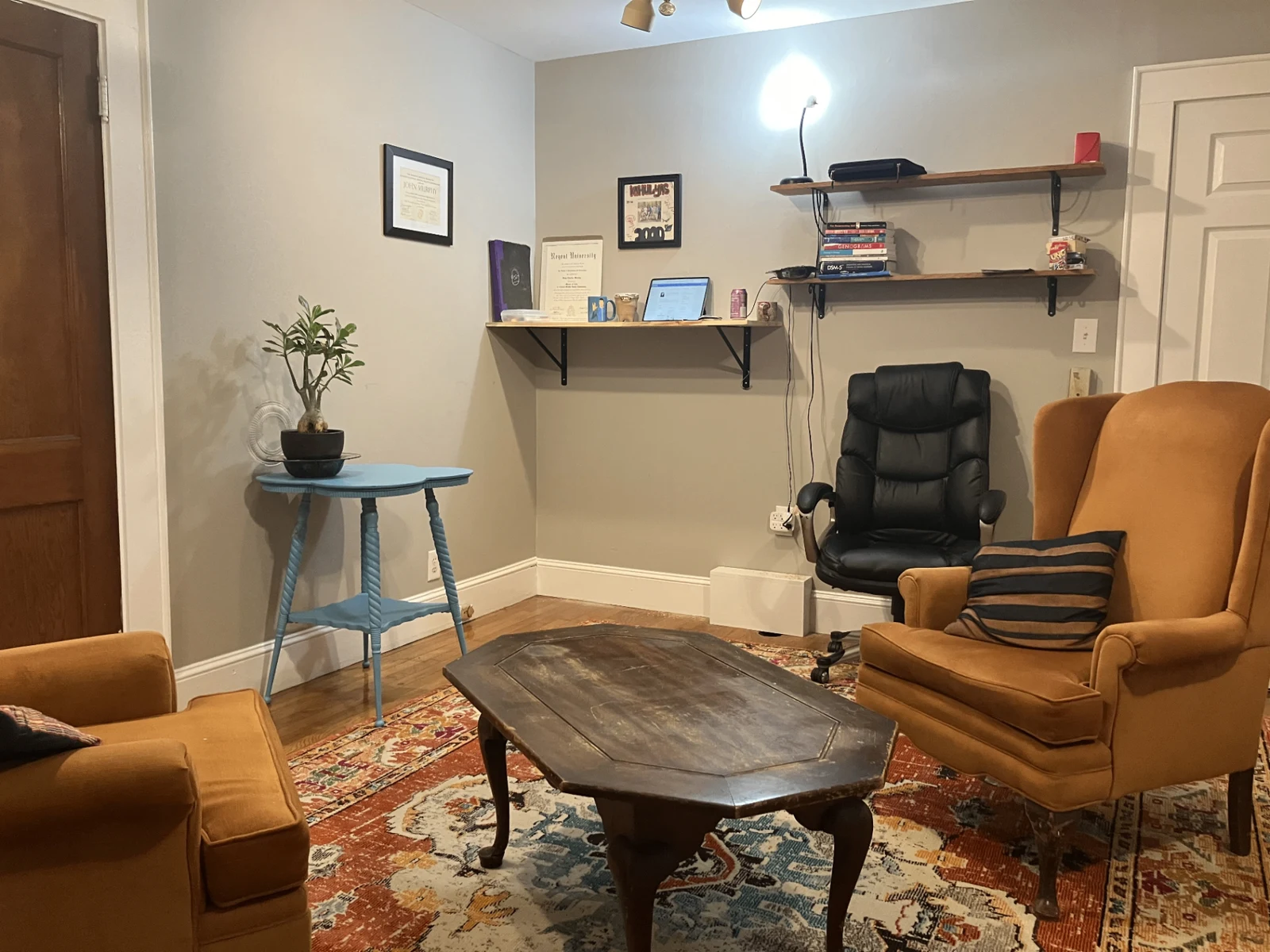
The Siler City counseling office, with two mustard-yellow armchairs around a wooden coffee table.

The basic idea.

CBT starts from a simple observation: thoughts, feelings, and actions affect each other. A thought like 'everyone will notice I messed up' brings a feeling, like dread, which leads to an action, like avoiding the thing entirely. The avoidance brings short-term relief and long-term trouble, because the thought never gets tested. CBT works by finding those loops and changing them, one link at a time.

Noticing a thought without believing it.

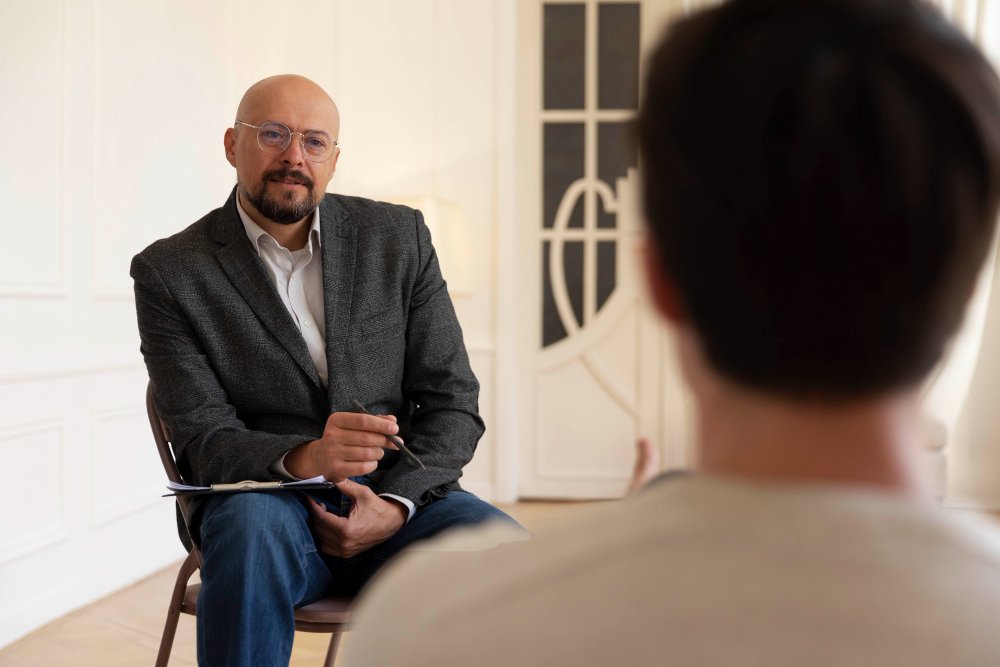
One of the core skills in CBT is learning to notice a thought as a thought, rather than as a fact. Anxious and depressed minds produce convincing stories. CBT teaches you to slow down, look at the evidence, and try out a different response. Over time that creates some distance between what your mind says and what you do about it.

CBT with teens.

CBT with teens is a strong fit. It's practical, concrete, and gives teens tools they can use on their own. There's another advantage: the same logic a parent tries to explain at home often sounds better coming from someone who isn't a parent. In teen counseling, CBT might help a teen plan for something they're dreading, or catch the thought that turns a bad grade into proof they're a failure. The teen anxiety page shows how this fits into anxiety work.

CBT with adults.

For adults, CBT is especially useful for anxiety, rumination, and thought patterns that keep showing up. In individual therapy, it's often paired with mindfulness and somatic grounding, so the work reaches both the thinking and the body; the page on anxiety in adults describes how these fit together. Parents can use CBT tools in parent counseling too, to catch the thoughts that make a hard parenting moment feel like an emergency.

Trauma-focused CBT.

After a trauma, beliefs can harden around the event: it was my fault, I'm never safe, I can't trust anyone. Trauma-focused cognitive behavioral therapy works on those beliefs and on the meaning a person has made of what happened. It's one of several tools used in PTSD and trauma counseling, always after stabilization comes first.

What a CBT session can look like.

A session usually starts with what happened since last time: where the old pattern showed up, and what you tried. Then you pick one situation and slow it down: what you were thinking, what you felt, what you did, and what you might try next time. Before you leave, you agree on one small experiment for the week. That structure keeps the work concrete, which is part of why CBT can feel so practical.

The work between sessions.

CBT is active. There's usually a small amount of practice between sessions: noticing a thought pattern, trying a different response, or approaching something you've been avoiding in small steps. Insight without practice tends not to change behavior, so the practice is where much of the change happens. It's kept small and doable on purpose.

One tool among several.

CBT isn't the right tool for every problem, and it's rarely the only one in use. Here, the method follows the problem, not the other way around. Depending on what's going on, CBT may sit alongside psychodynamic work, mindfulness and somatic approaches, or EMDR. The free 15-minute consultation is a good place to ask what John would suggest for your situation.

If you're ready to look at the format of the help, see teen counseling or individual therapy. Not sure where to start? Request a free 15-minute consultation and we'll figure it out together.

FAQ

Common questions.

How long does CBT take?

It varies with the problem. CBT is often used within a defined course of weekly therapy, and progress is reviewed together along the way. Some problems call for a few months; layered ones take longer.

Is CBT just positive thinking?

No. CBT isn't about replacing bad thoughts with cheerful ones. It's about seeing thoughts more accurately and responding to what's actually happening.

Can CBT be done by video?

Yes, for anyone physically located in North Carolina at the time of the session. CBT's structure translates well to telehealth.

Will my teen have homework?

Usually a small amount, like trying a coping skill or tracking a pattern for a week. It's kept short and realistic so it actually gets done.

Related services

How this work usually gets done.

Next step

Ready to try something that works?

A free 15-minute consultation. Send a request and John will get back to you with times that actually work — no pressure, no forms up front.

Request a Free Consultation