
Shepherd's Heart Counseling
Guide for Parents

Teen therapy and confidentiality: what parents hear.

It's natural to want to know what your teen is saying in therapy. You're responsible for them, you're worried, and you're probably paying for it. At the same time, a teen who believes everything is going home won't say anything real, and the therapy stalls. This guide explains how confidentiality works for teens at Shepherd's Heart, what you'll hear, what you won't, and why the balance is set up the way it is.

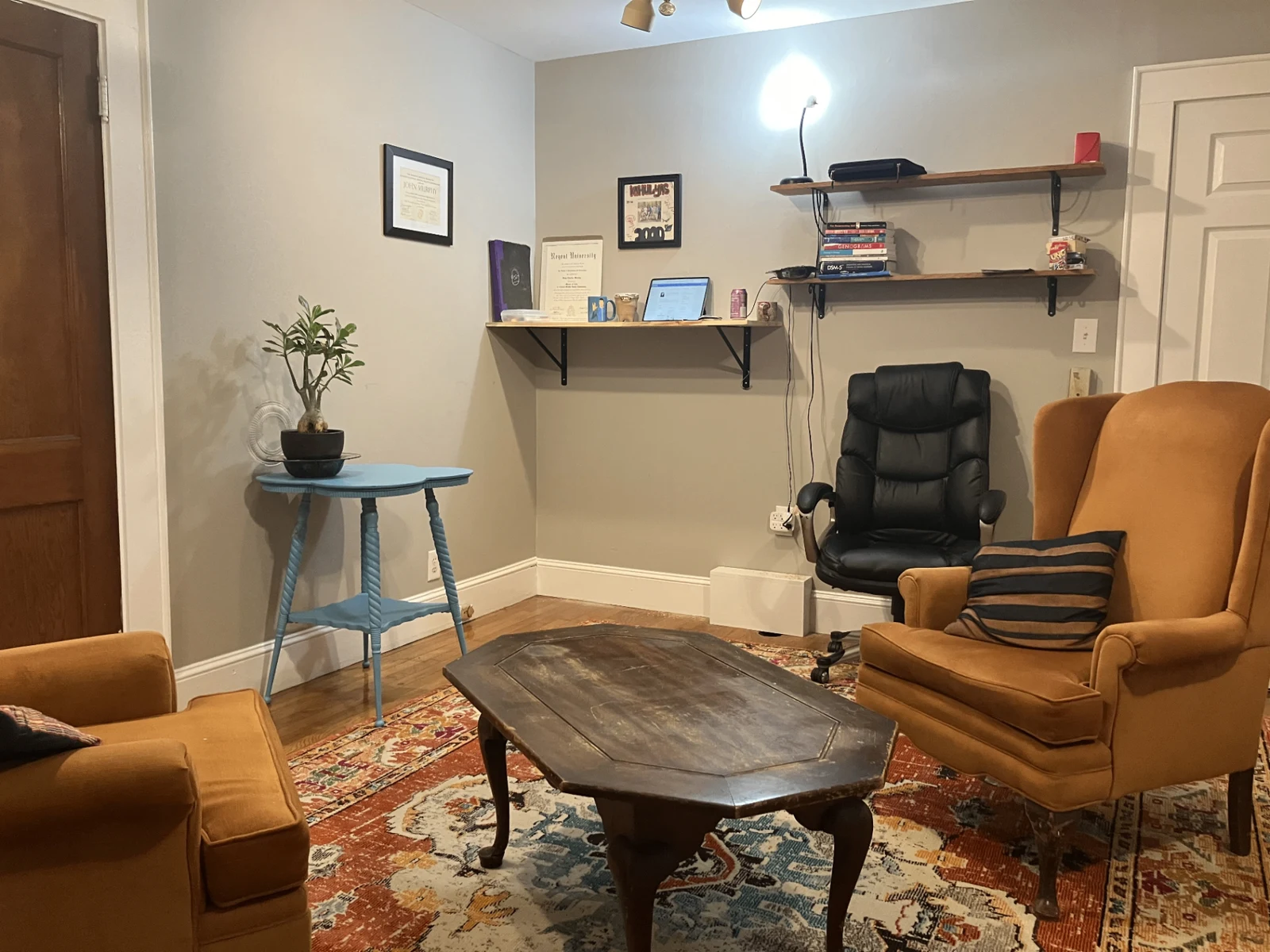
The Siler City counseling office, with two mustard-yellow armchairs around a wooden coffee table.

Why teens need a defined space.

Teens do their real work when they trust that the room is theirs. If they think every word will be reported, they edit themselves, or say nothing at all. A defined space of confidentiality isn't about keeping parents out. It's what makes it possible for therapy to help. For more on parenting through these years, see the parents of teens page.


What North Carolina law says.

Under North Carolina law, minors don't have full confidentiality from their parents in the way an adult client does, and parents have a legal right to information about their child's care. In practice, John doesn't run therapy as a reporting channel, because that would undercut the work. Instead, what will and won't be shared is agreed out loud at the start.

What you will hear.

You'll hear themes, direction, and how your teen is doing overall. In teen counseling, parents usually meet with John for check-ins every four to six sessions, or sooner if something needs coordination. Your teen generally knows about these check-ins; they aren't a back channel. If something comes up that needs everyone, such as a broken boundary or a school issue, a joint session can be scheduled with everyone in the room.

What is always shared.

Safety issues are shared with parents every time: suicidal thinking, self-harm, someone hurting your teen, or plans to hurt someone else. These aren't held quietly. When there's risk, the response starts with a safety plan made in the same session, with you involved. If your teen is in immediate danger, call or text 988, the Suicide and Crisis Lifeline, or go to the nearest emergency department. The teen depression page describes what a safety plan can include.

What confidentiality is not.

Confidentiality doesn't mean parents are shut out, and it doesn't mean a teen gets to keep a dangerous secret. What it protects is the everyday material of growing up: frustrations, friendships, embarrassing worries, and opinions about you that a teen needs room to say out loud and work through. Giving that material a private place is often what allows the bigger things to surface at all.

The legal limits for everyone.

Some limits apply to every client, teen or adult. Confidentiality has legal exceptions: imminent danger to the client or someone else, active abuse of a minor or vulnerable adult, and court orders. These are explained at intake in specific terms, so nobody is surprised later. The FAQ covers confidentiality questions in brief.

How it's set up on day one.

The first teen session starts with the teen and parent together. The rules are said out loud, in front of everyone: what stays private, what gets shared, and what breaks confidentiality. Then the parent steps out. Doing it openly, once, removes most of the guessing on both sides. The teen anxiety page describes this setup from a parent's point of view too.

When parents are separated.

If parents are separated or share custody, the same principles apply. John works within the requirements of the custody order and applicable law, and he can't promise either parent access to everything a teen says. The page on co-parenting and divorce explains how counseling keeps a child out of the middle.

If you're ready to look at the format of the help, see teen counseling or parent counseling. Not sure where to start? Request a free 15-minute consultation and we'll figure it out together.

FAQ

Common questions.

Can I share information with you between sessions?

Yes. Parents are welcome to share information that's relevant to their teen's treatment or safety. How communication works is set up at intake.

What if my teen asks you to keep a safety issue secret?

Safety issues are shared with parents every time, and teens hear that rule at the first session. When a safety concern comes up, the next step is a safety plan, made together. If your teen is ever in immediate danger, call or text 988, the Suicide and Crisis Lifeline, or go to the nearest emergency department.

Will there ever be sessions with me and my teen together?

Yes, when something needs coordination, such as a broken boundary, a school issue, or a family repair. Those joint sessions are scheduled deliberately, with everyone in the room.

Will my teen actually open up this way?

Clear rules make it more likely. When a teen sees that sessions aren't a lecture and aren't reported home in detail, the room starts to feel like theirs.

Related services

How this work usually gets done.

Next step

Ready to try something that works?

A free 15-minute consultation. Send a request and John will get back to you with times that actually work — no pressure, no forms up front.

Request a Free Consultation