
Shepherd's Heart Counseling
Out-of-Control Teen

When your teen feels out of control.

Maybe it's the curfew that means nothing now, the language you never allowed in your house, or the door that slams before you finish a sentence. If you've caught yourself saying your teenager is out of control, you're probably also tired, scared, and out of ideas. This page is about what can be going on underneath, why louder consequences lose power at this age, and how the work at Shepherd's Heart helps you lead your household again.

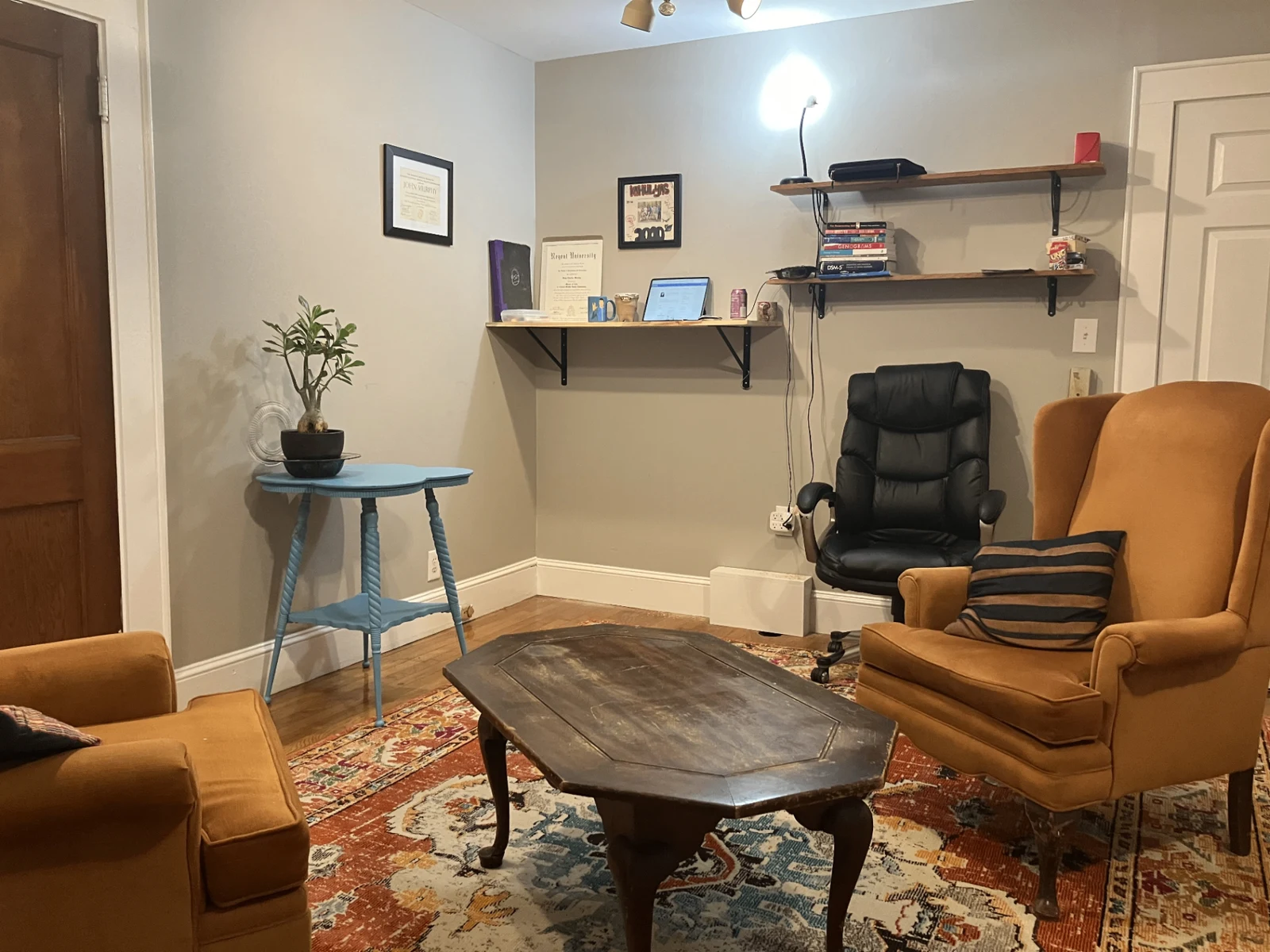
The Siler City counseling office, with two mustard-yellow armchairs around a wooden coffee table.

Why the old tools stop working.

Bigger punishments, longer lectures, and louder voices may have worked when your child was small. In adolescence they tend to lose their bite. Teens are bigger, their world is wider, and they can wait out a consequence or simply refuse it. Yelling usually pushes them further away instead of bringing them back.

What replaces raw leverage is credibility. A teen will listen to an adult they respect long after they've stopped fearing them, and that respect is built from small, steady things: following through on the boring stuff, admitting a mistake, not being the loudest person in every room. The parents of teens page goes deeper on that shift.


Anger isn't always what it looks like.

An explosive teen is sometimes a frightened teen. Anger and fear can look almost identical from the outside, because both are a nervous system deciding a situation isn't safe. Irritability can also be how teen anxiety or depression shows up in someone who doesn't have words for it yet.

That doesn't excuse the behavior. It changes how you respond to it. Part of the intake is sorting out what's driving the pattern, so the plan fits the teen you actually have.

Rules that hold without a war.

John's approach draws on behavioral parent training and on the models of care he was trained to use in intense settings like day treatment, wilderness programs, and juvenile justice. A few principles carry most of the weight. Rules are rules, whether or not your teen respects them that day, and calmly enforcing them earns respect over time. You detach from your teen's anger instead of matching it, and you don't take the hard days personally.

If every issue is non-negotiable, none of them are. Picking two or three hills, usually safety, school engagement, and how people speak to each other at home, lets the rest go without anyone losing face. The guide to behavioral parent training explains these principles in more detail.

Steady with teens in crisis.

John has worked with children and teenagers who were court-involved or in crisis, in settings that included juvenile justice and residential treatment. That background shapes how he works with families now: steady, direct, and not easily rattled by a teen who is testing every limit. It also means he takes seriously the moments when behavior crosses from difficult into dangerous.

Who comes to sessions.

Sometimes your teen has their own sessions through teen counseling. Sometimes most of the work happens with you through parent coaching, because you're the one setting the structure at home. Sometimes it's both. A teen who refuses to come doesn't stop you from starting, and the guide on when your teen refuses therapy covers what to do in the meantime.

When it isn't safe.

There is a line between a teen who is hard to live with and a home where someone is getting hurt. If anyone in your home is being hit or threatened, or is afraid, that needs more than a parenting plan. If you are in crisis, call or text 988, or call 911. If the whole household has tilted into constant fighting, the family conflict page is a useful next read.

How to start.

Request a free 15-minute consultation and describe what home looks like right now. John will tell you whether he's the right fit and where he'd begin. If it's a fit, a 90-minute intake looks at the household, what's been tried, and what might be underneath, so the first weeks of work aim at the right target.

If you're ready to look at the format of the help, see parent coaching or teen counseling. Not sure where to start? Request a free 15-minute consultation and we'll figure it out together.

FAQ

Common questions.

Is this just a phase?

Some of it may be, since pushing against adults is part of adolescence. What deserves a closer look is a sustained shift: dropped friends or activities, sharp changes in school, sleep, or appetite, hopelessness, or behavior that puts anyone at risk. The intake is designed to sort out which you're looking at.

Should I take away their phone?

Consequences can work when they matter to your teen, land quickly, and are something you can hold without escalating. Big consequences that get negotiated down tend to teach the opposite lesson. Building a short list of consequences you can actually follow through on is part of the work.

Can you make my teen respect me?

No one can make a teen respect a parent. What John can do is help you build the conditions where respect tends to grow: clear rules, calm follow-through, and a relationship that survives the hard weeks. The goal is leading your household again, not winning every argument.

Can we start if my teen won't come?

Yes. You can begin with parent coaching or parent counseling on your own. Changing how you respond at home is often the first lever, and some teens become more willing once the household feels different.

Related services

How this work usually gets done.

Next step

Ready to try something that works?

A free 15-minute consultation. Send a request and John will get back to you with times that actually work — no pressure, no forms up front.

Request a Free Consultation